Palm Kernel Shell
Hard shell material separated during palm kernel processing and widely used as biomass fuel.
TISI coordinates every stage of the palm biomass journey—from supplier sourcing and quality inspection to export logistics and final customer delivery.
Explore how TISI coordinates every stage of the palm biomass supply chain—from sourcing and preparation to inspection, export, and final customer delivery.
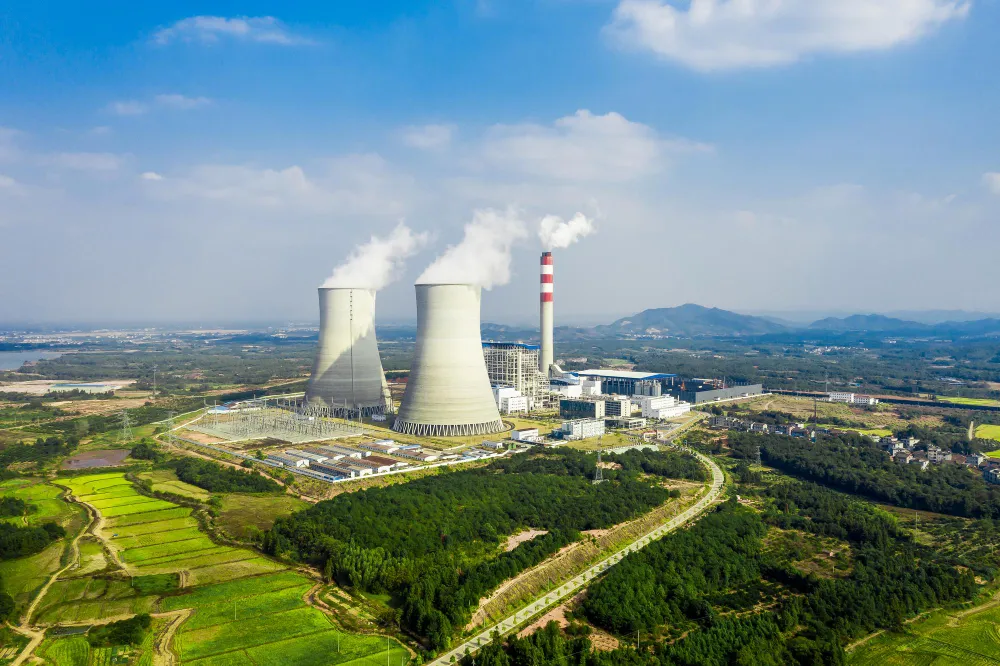
TISI develops sourcing relationships across Indonesia’s major palm-producing regions to coordinate biomass availability, supplier capability, and customer-specific requirements.
Understanding where palm biomass comes from is essential to building a transparent, reliable, and consistent supply chain for industrial and export markets.
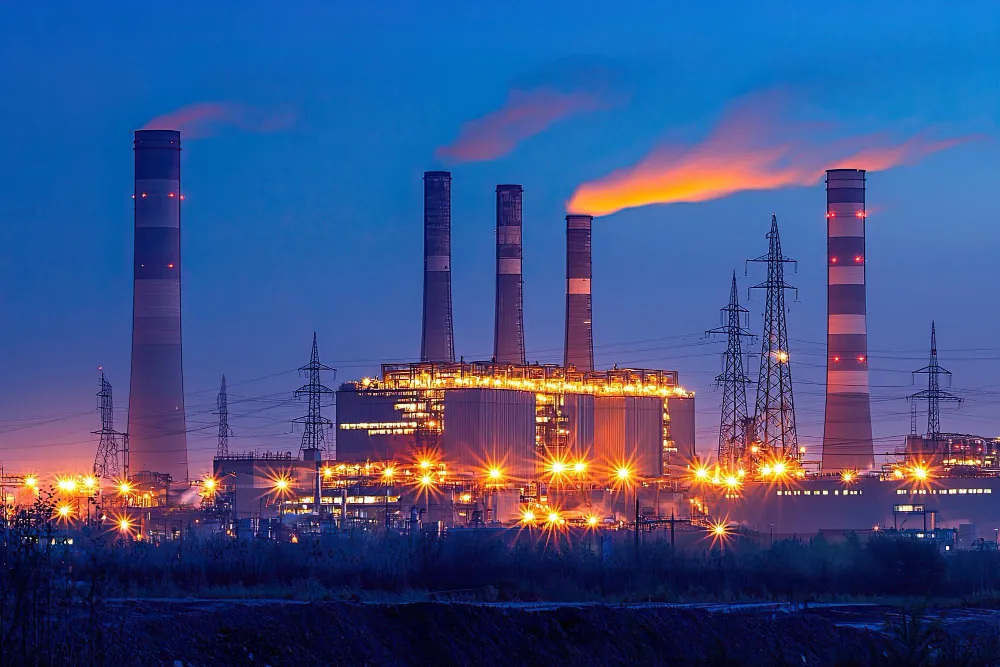
The transition from plantation to mill creates valuable biomass products that can be prepared for industrial energy applications.
Palm biomass originates from the processing of harvested fresh fruit bunches at palm oil mills. During this process, several valuable by-products are generated, including Palm Kernel Shell, Palm Fiber, and Empty Fruit Bunch. Rather than being treated solely as residues, these materials can be transformed into practical renewable feedstock for power generation, industrial boilers, cement production, and other energy-intensive applications.
TISI works to identify suitable sources, coordinate production availability, and maintain traceability from the originating mill through subsequent preparation and delivery stages.
Palm biomass is generated as part of established palm oil processing activities.
TISI identifies palm oil mills and suppliers capable of supporting customer requirements.
Supply planning considers mill output, seasonal conditions, available volume, and product characteristics.
Product origin and movement are coordinated to support clearer supply-chain visibility and accountability.
Hard shell material separated during palm kernel processing and widely used as biomass fuel.
Fibrous material generated during fruit processing and used for industrial heat and steam generation.
Residual bunch material that can be processed into EFB fiber, fuel, or densified pellets.