Kernel Preparation
Palm kernels are separated, cleaned, and prepared before entering the oil-extraction process.
A nutrient-rich palm-derived feed material produced after palm kernel oil extraction, offering valuable protein, energy, and crude fiber for professionally formulated livestock feed.
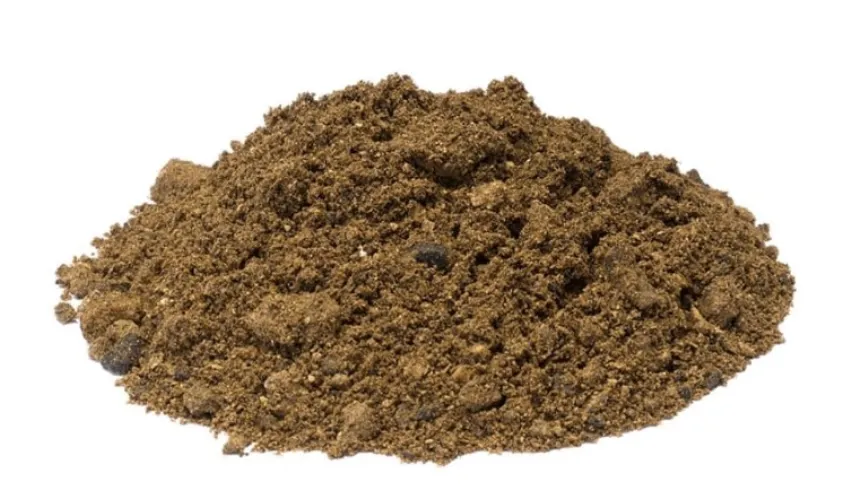
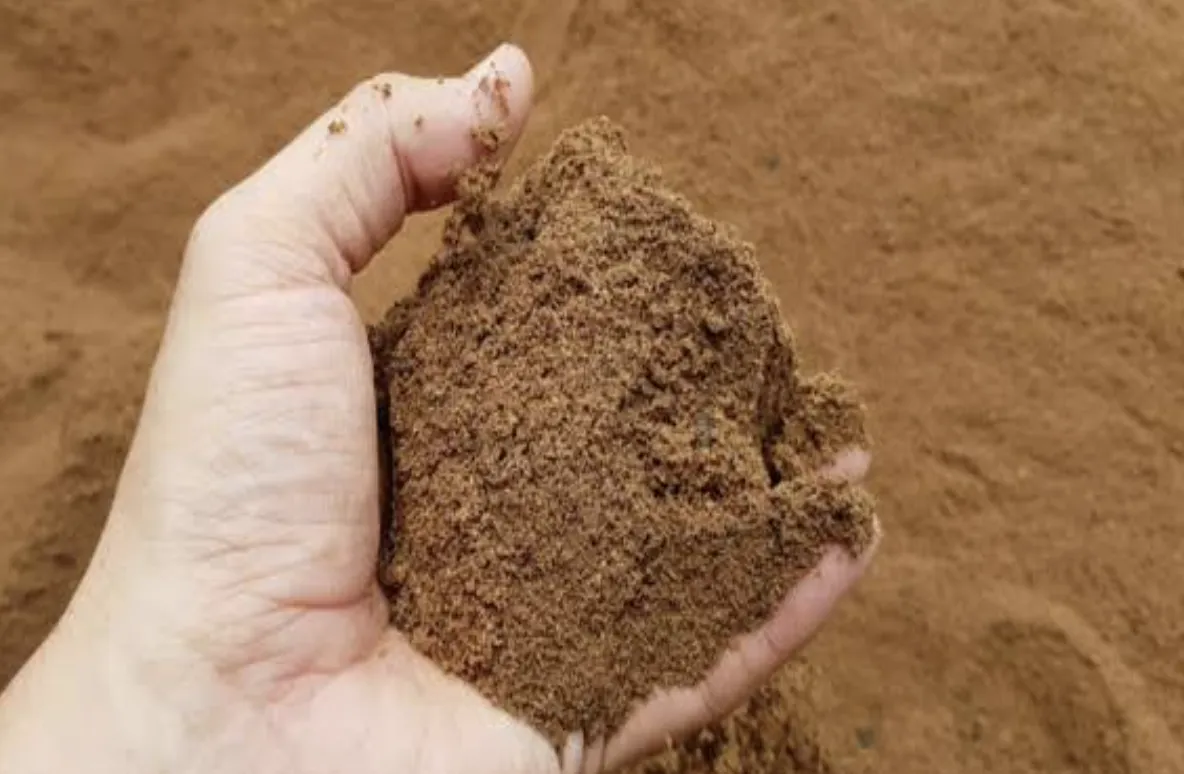
Palm Kernel Cake, commonly known as PKC, is a solid co-product generated after oil is extracted from palm kernels. Depending on the extraction process, it may also be referred to commercially as palm kernel expeller or palm kernel meal.
The material retains a combination of protein, residual energy, minerals, and crude fiber. These characteristics make PKC a practical ingredient for livestock-feed manufacturers seeking to develop cost-conscious and nutritionally balanced feed formulas.
PKC is particularly relevant to feed programs where a fibrous, plant-derived ingredient can be incorporated alongside other protein, energy, mineral, and vitamin sources. Its final inclusion level must be determined by animal species, age, production objectives, processing method, and professional nutrition advice.
PKC should be used as part of a balanced compound-feed formula, rather than as a complete standalone ration. Nutritional values must be confirmed through representative sampling and analysis.
PKC is created through a structured palm-kernel processing sequence that separates the oil from the remaining solid nutritional material.
Palm kernels are separated, cleaned, and prepared before entering the oil-extraction process.
Palm kernel oil is removed through an appropriate mechanical or solvent-based extraction process.
The remaining solid material forms a nutrient-containing cake with protein, residual energy, and natural fiber.
The product is prepared, inspected, stored, and supplied for use by qualified feed manufacturers and livestock businesses.
PKC combines several nutritional and commercial attributes that make it relevant to industrial feed manufacturers and integrated livestock operations.
PKC can contribute plant-derived protein to a compound-feed formula when combined with complementary ingredients.
Its naturally fibrous composition makes it especially relevant to selected ruminant-feed applications.
Remaining oil and digestible components can contribute to the overall energy profile of a properly balanced ration.
PKC can help manufacturers diversify raw-material sourcing and optimize feed cost, subject to nutritional performance.
PKC is supplied as a feed raw material for professional livestock and compound-feed operations. It can be incorporated into formulas developed for selected animal categories, particularly where fibrous plant-based ingredients are nutritionally suitable.
TISI coordinates sourcing, inspection, storage, and delivery activities to support consistent commercial supply for professional feed buyers.
Supply sources are reviewed to support traceability, commercial availability, and more consistent product characteristics.
Product appearance, odor, texture, contamination risks, and storage condition can be inspected before shipment.
Nutritional parameters can be verified through agreed sampling, testing, and independent analysis arrangements.
Loading and logistics activities are coordinated to help maintain cleanliness and product integrity during delivery.
Share your intended animal-feed application, required quantity, preferred packaging, delivery schedule, destination, and quality requirements. The TISI team will help evaluate an appropriate PKC supply arrangement.